Introduction
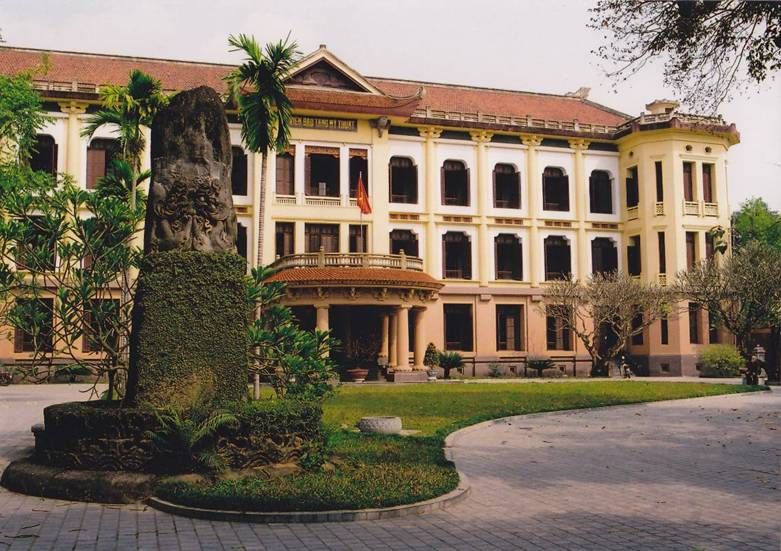
Museum-hopping in Hanoi is a great way to learn about Vietnam’s history, art and culture while also experiencing the city’s unique architecture and sidewalk lifestyle by walking between each one. As the capital, Hanoi has a broader variety of museums than any other Vietnamese city. There are dozens of museums in Hanoi and many of them are impressively maintained, engagingly presented and well-curated. What’s more, several of the best museums in Hanoi are housed in majestic, historic buildings or in modern, purpose-built structures that constitute worthy sights in themselves. Most museums also have an elegant, cosy, on-site café at which to order an espresso, croissant, cocktail or bowl of noodles to reinvigorate yourself before moving on to the next one. A couple of days spent exploring Hanoi via its network of museums is fulfilling, fun, informative and inexpensive.
As most of the museums in this list are clustered around the central districts of Hoàn Kiếm and Ba Đình, it is perfectly feasible to travel between each one on foot, thus exploring the city’s streets along the way. Alternatively, just take a taxi or motorbike via a ride-hailing app, such as Grab. In general, tickets are very cheap (around 40,000vnd; $2) and audio guides are available at most of the museums. Note each museum’s opening times, because some of them are closed on Mondays.
1. Ethnology Museum
- Address: Nguyễn Văn Huyên
- Open: 08:30-17:30 (closed Monday)
- Ticket: 40,000vnd
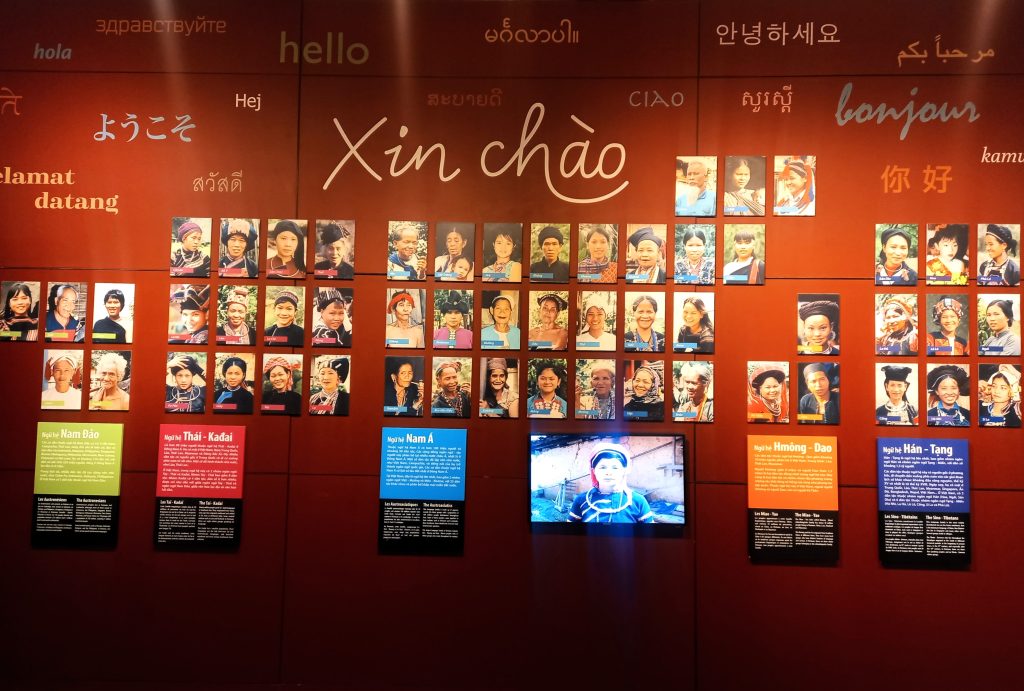
This unique museum focuses on the lives, customs, religions, traditions, history and architecture of Vietnam’s 54 different ethnic groups. The displays are divided into three parts: The Peoples of Vietnam (the main circular building), The Peoples of Southeast Asia (the modern kite-shaped building raised on pillars), and the Architectural Garden (behind the main building). Celebrating the cultural diversity of Vietnam’s 100 million-strong population, the main building engages visitors (of all ages) through colourful and intriguing displays of clothing, daily utensils, ceremonial objects, photography and models. Each room is dedicated to one or more ethnic groups and there are lots of good information signs in English.
What appeals to me the most about the Ethnology Museum is that it focuses primarily on everyday activities and lifestyles that continue throughout Vietnam today. This means that, unlike many other museums, this collection is a reflection of present-day Vietnam. As a foreign visitor, the exhibits and information here will inform your experience of the nation as you travel through Vietnam: so many of things you see and learn about in these rooms, you will see and experience again on your trip through the provinces.
2. History Museum
- Address: 1 Tràng Tiền & 216 Trần Quang Khải
- Open: 08:00-12.00 & 13.30-17.00
- Ticket: 40,000vnd
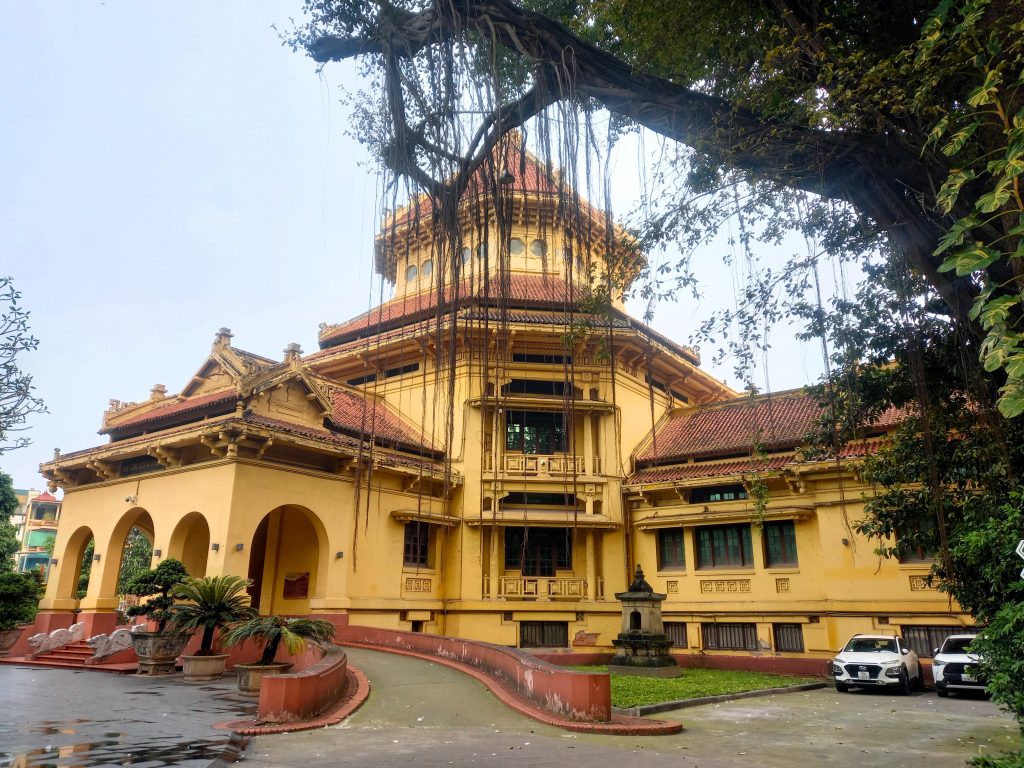
Formerly the French colonial École Française d’Extrême-Orient, founded in the early 20th century, the History Museum is housed in a magnificent, palatial building whose ochre exterior and red-tile roofs stand out in the sun beneath the boughs of tropical trees. With over 200,000 artifacts on display, this is one of Hanoi’s biggest museums. Indeed, it’s so big that the collection has recently expanded to a second building across the street: one ticket covers entry to both. The main museum building covers Vietnam’s history from prehistoric times to the earliest-known human inhabitants to Bronze Age cultures through to the Indianized kingdoms of Phù Nam and Champa and the succession of Vietnamese imperial dynasties. Across the street, building B focuses on the 20th century and Vietnamese revolutionary period.
There are some exquisite artifacts on display that catch your eye as you wander from room to room: from delicate gold leaf imperial crowns to ceremonial painted ceramics, from wooden screens inlaid with mother-of-pearl to stone sculptures from Champa. The most famous artifact of all is the large Đông Sơn drum.
3. Fine Arts Museum
- Address: 66 Nguyễn Thái Học
- Open: 08:30-17:30 (closed Monday)
- Ticket: 40,000vnd
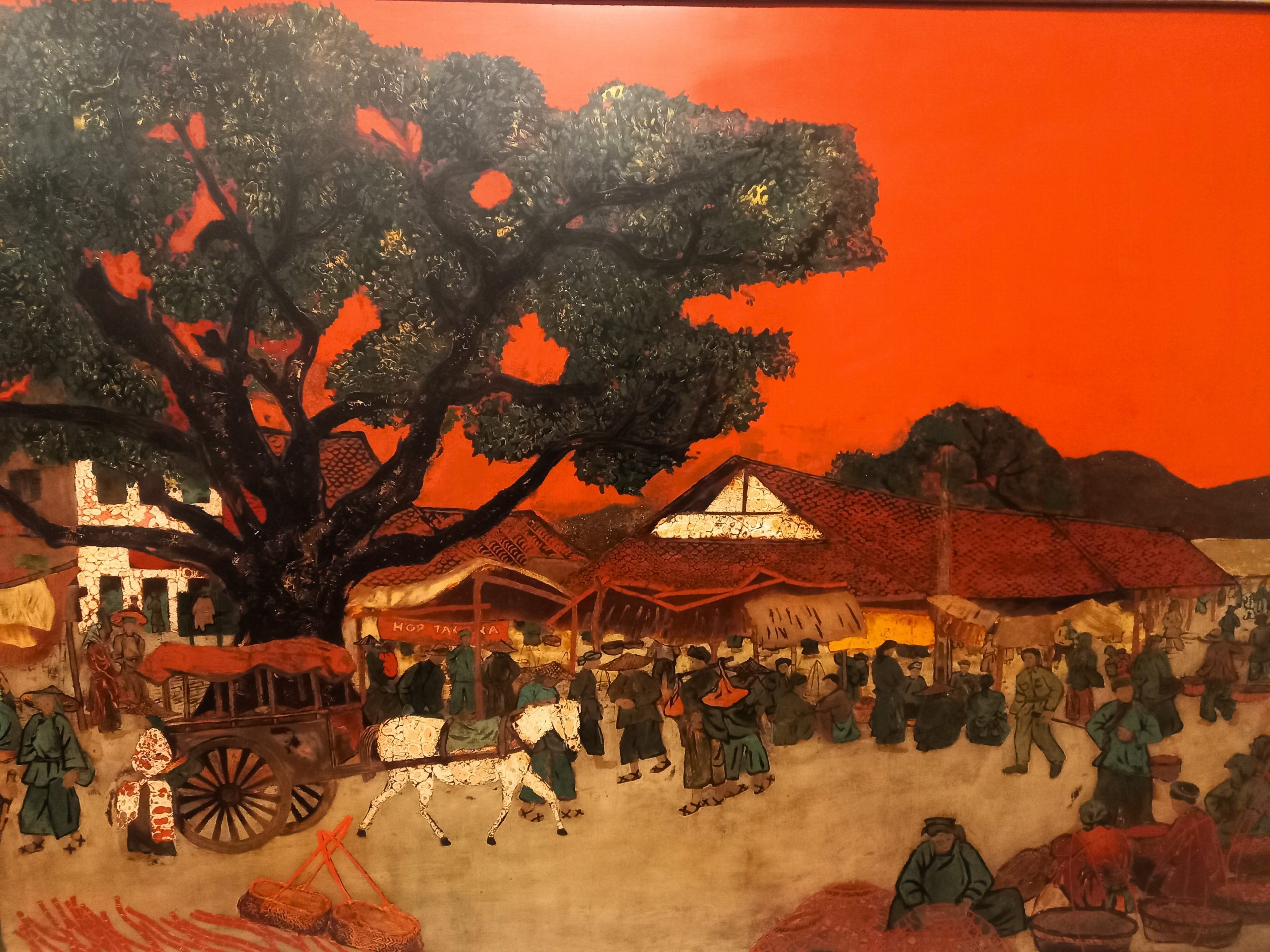
Housed in a large colonial-period building from 1937 that was formerly a Catholic girls boarding house, the National Museum of Fine Arts is a chronological walk through the last thousand years of Vietnamese art. Beginning with the Ly Dynasty in the 11th century and ending at the present day, exhibits are displayed in large rooms over three floors connected by a wooden staircase. From the 20th century there are some good examples of lacquer engravings and delicate silk paintings, some of which depict familiar historical figures, such as the writer Nguyễn Du, and places that travellers may recognize from their itineraries, like Vịnh Mốc. The deeper into the 20th century you go, the more political the art becomes, with many paintings depicting heroic revolutionary struggles, battles and the like. The last room is dedicated to contemporary art, with some pieces hinting at current issues such as industrialization and environmental degradation.
4. Women’s Museum
- Address: 36 Lý Thường Kiệt
- Open: 08:00-17:00 daily
- Ticket: 40,000vnd
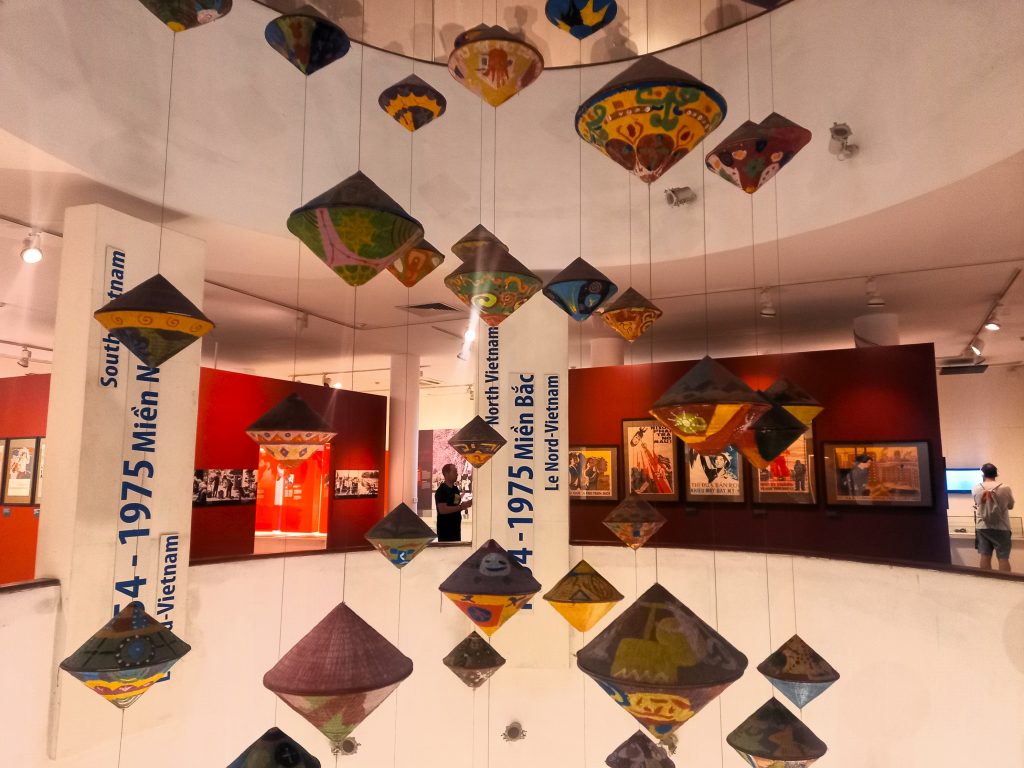
A white, four-storey building in the city centre, the Women’s Museum celebrates the role of women in Vietnam from past to present. Exhibits are arranged into three zones: Women in the Family (1st floor), Women in History (2nd floor), and Women’s Clothing & Fashion (3rd floor). The collection is presented around a circular atrium which is hung with colourful lanterns. This is another of Hanoi’s museums that travellers should consider visiting at the start of their Vietnam trip, because many of the things you see and learn about here will inform the rest of your travels around the nation.
5. Military History Museum
- Address: 28A Điện Biên Phủ, Điện Biên, Ba Đình, Hà Nội
- Open: 08:00-17:00 daily
- Ticket: 40,000vnd
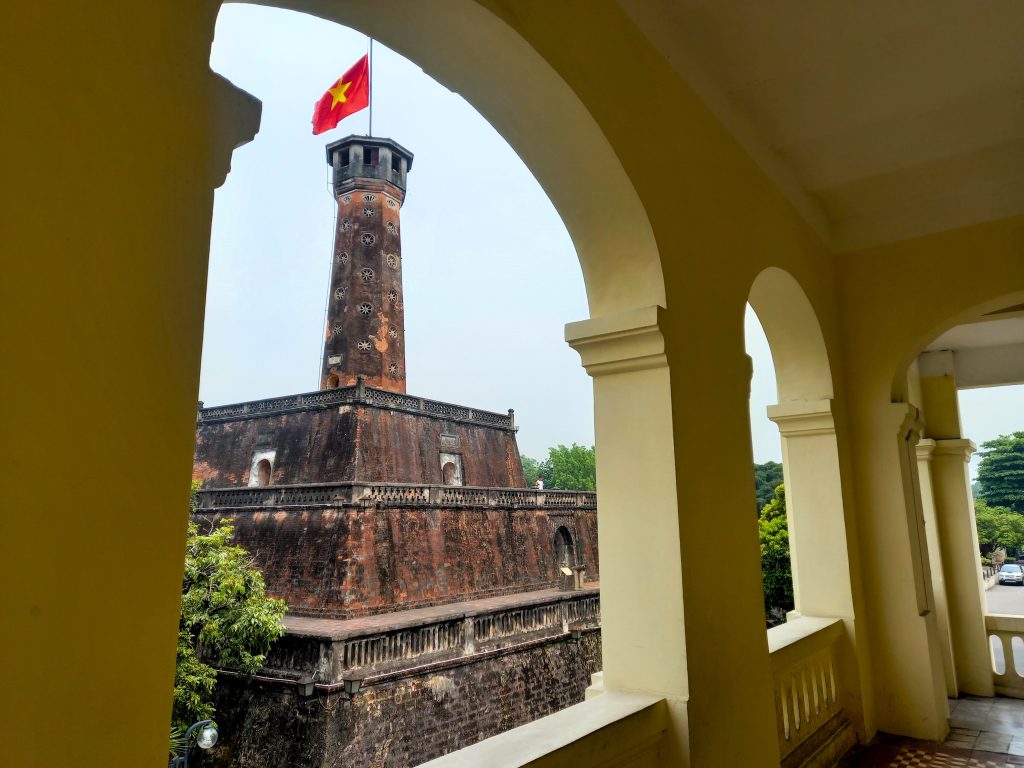
One of Hanoi’s biggest and most popular museums, please refer to the New Vietnam Military History Museum guide for full details.
6. Hỏa Lò Prison Museum
- Address: 01 Hỏa Lò
- Open: 08:00-17:00 daily
- Ticket: 50,000vnd
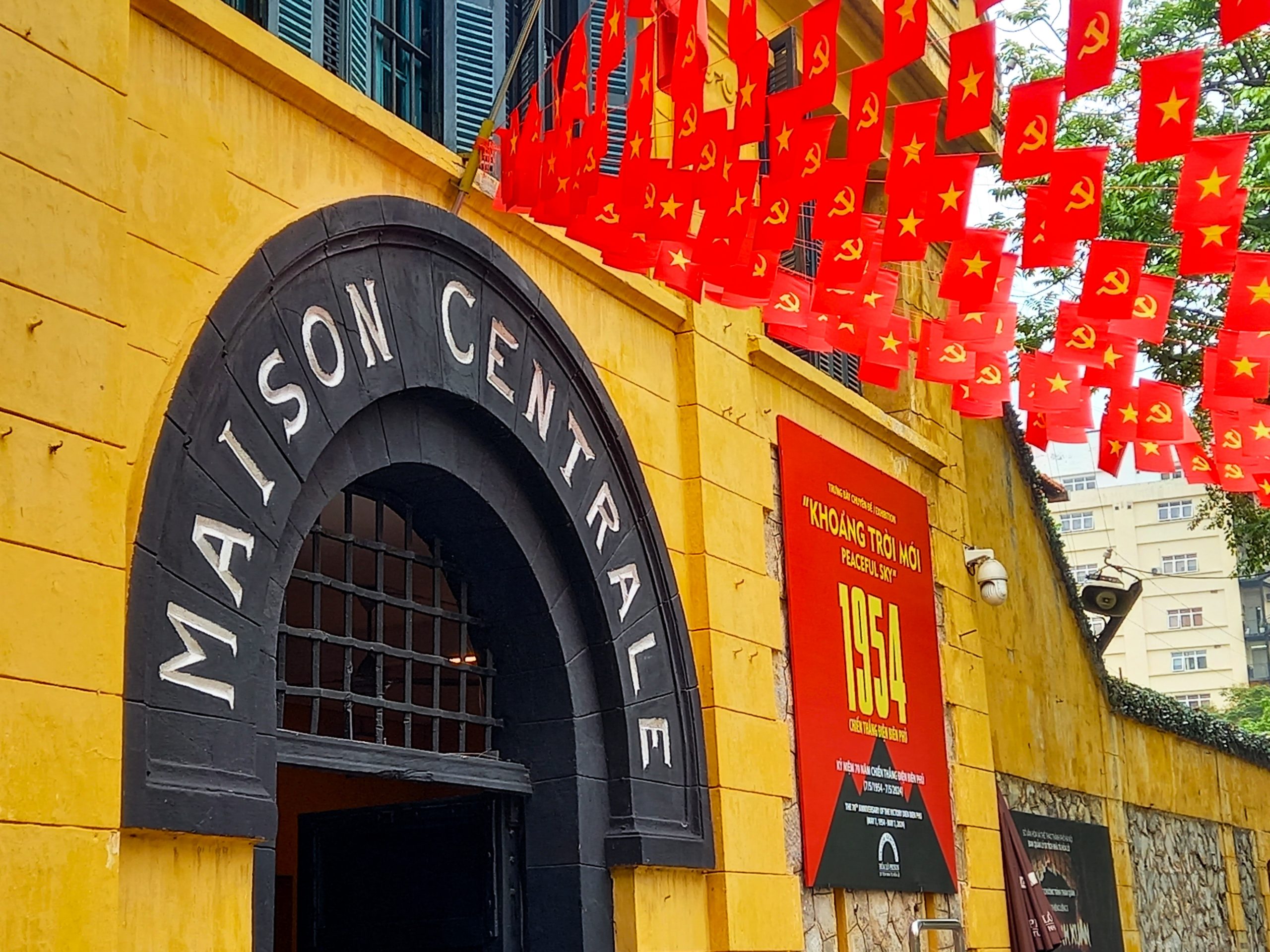
The curious name (hỏa lò means ‘fire oven’) of this late 19th century French colonial prison derives from the area’s precolonial use as a pottery making area where dozens of kilns burned day and night. For half a century, the French used the prison to incarcerate Vietnamese political activists, until they were defeated in 1954, after which the North Vietnamese used Hỏa Lò to detain U.S POWS, who coined the name ‘Hanoi Hilton’. Among those ‘Hilton’ inmates was John McCain, who later became the 2008 U.S Republican presidential candidate. Inside the building’s ochre walls, there are grim recreations of conditions for prisoners held here during colonial times: pale, skeletal mannequins are chained together in tiny stone cells or suffering acts of torture from prison guards. Beyond the cells there are exhibitions about former inmates - both Vietnamese and American - and several rooms outlining the broader historical context of the prison.
7. Biological Museum
- Address: 19 Lê Thánh Tông
- Open: 08:00-17:00 (closed weekends)
- Ticket: free
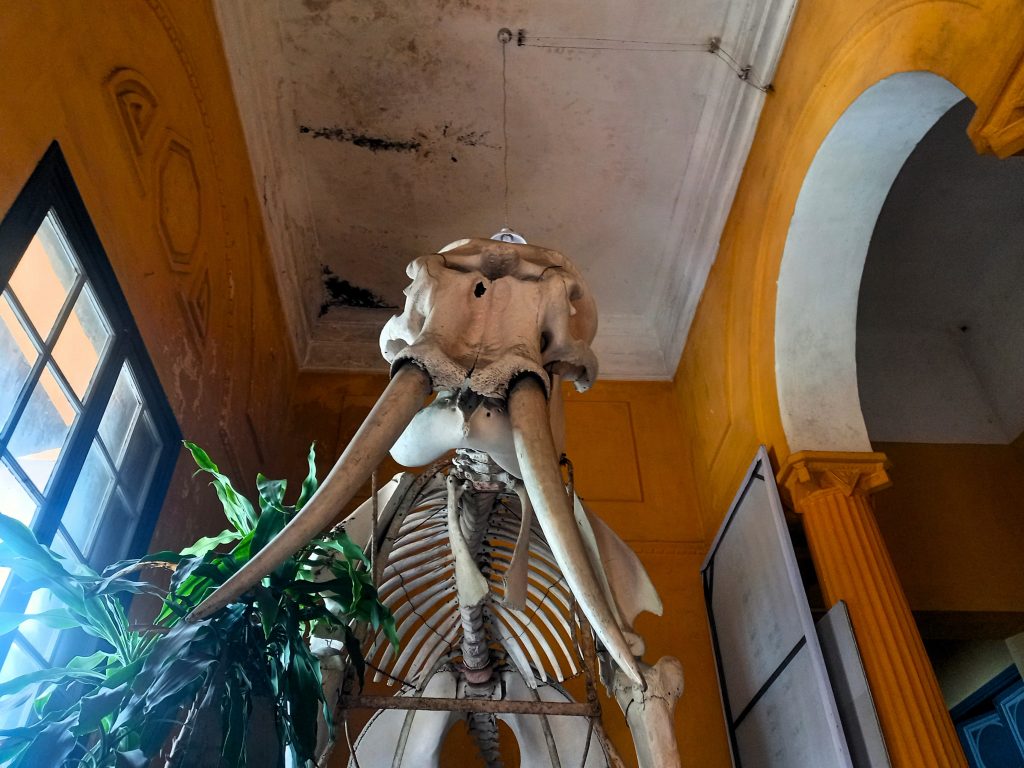
Housed in the grand, sturdy and handsome National University building (constructed in 1904 and formerly the Université Indochinoise), the Museum of Biology would be better described as the natural history or zoology museum. However, the real reason to visit is not necessarily the museum itself which is usually closed to the public and only really opens for school groups but the building. Now you will be standing inside the main entrance in a cathedral-like space with mosaic floors, soaring arches, and a chandelier hanging from a Romanesque cupola with Doric columns. It feels very European indeed. The biology museum is up the stone stairs to the left as you enter the building - you can’t miss it because there’s a full skeleton (of an elephant, perhaps) bearing down on you from the landing. But, if you like architecture, it really is worth visiting just for the building.
Disclosure: I never receive payment for anything I write: my content is always free and independent. I’ve written this guide because I want to: I like these museums and I want my readers to know about them.