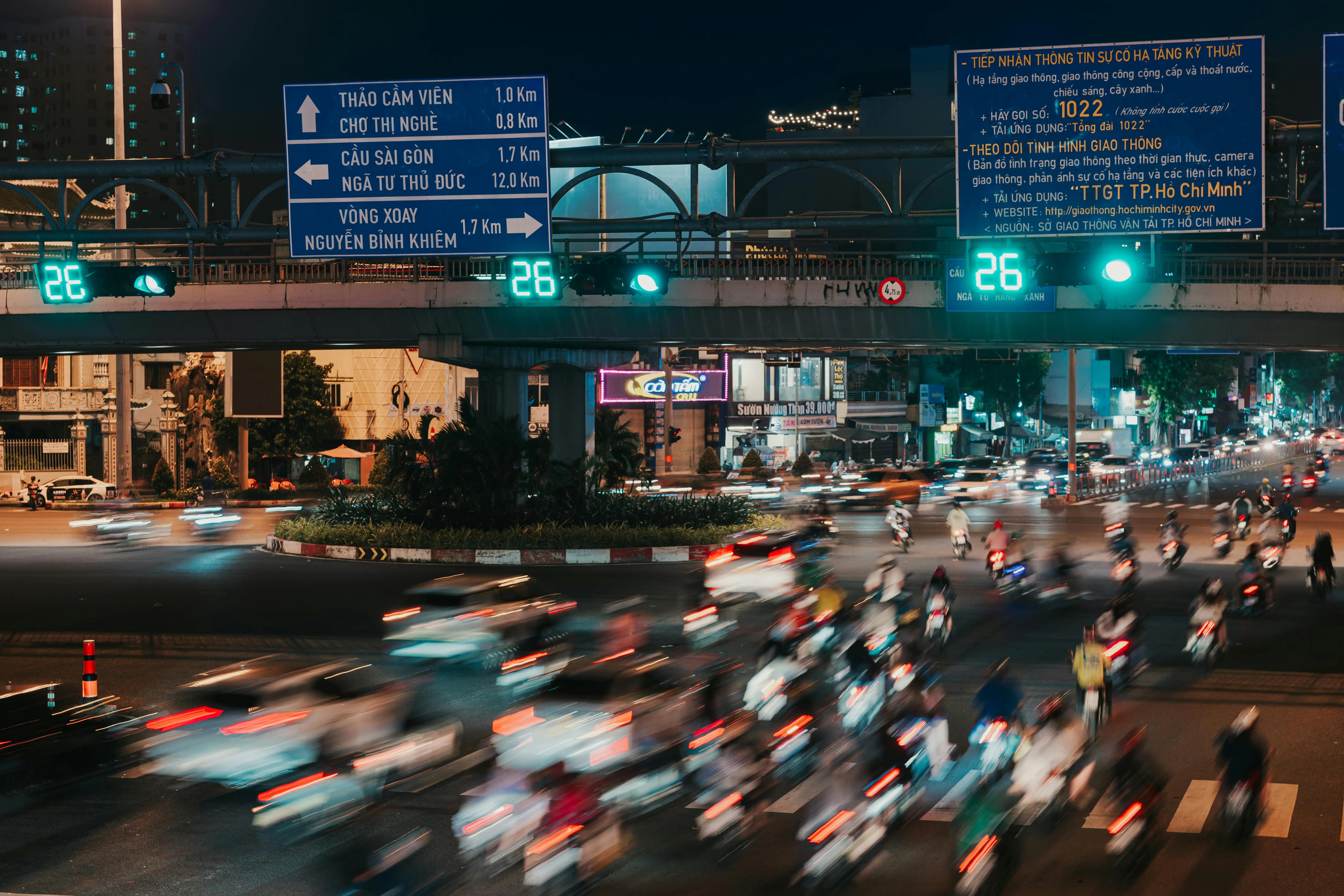
We live and work in Hanoi, and every week we meet travelers on their very first day in Vietnam. Some arrive relaxed and curious. Others arrive exhausted, overbooked and a little overwhelmed by the traffic. The difference is rarely luck. It is usually a handful of small things they knew (or didn’t know) before landing.
So here is the list we wish every guest read before booking a flight: 18 practical things to know before visiting Vietnam, grouped into planning, money and apps, etiquette, safety, and food. No fluff, just what actually makes a trip smoother.
Planning Your Vietnam Trip
1. Give Vietnam more time than you think
Vietnam is long and narrow, stretching more than 1,600 km from the mountains of the north to the Mekong Delta. A classic mistake is trying to see Hanoi, Ha Long Bay, Sapa, Hoi An, Hue, Da Nang, Dalat, Ho Chi Minh City and the Mekong in two weeks. You can, but you will spend most of it in airports and on buses.
With two to three weeks, focus on one or two regions (north, centre or south). Keep the full north-to-south route for trips of a month or longer. Slow travel here pays off: the best memories usually happen in an unplanned afternoon at a cafe or a detour to a village you had never heard of. Traveling with kids or older parents? Our easy walking tour in Sapa shows the rice terraces at a gentle pace.
2. Plan around the weather, not the calendar
There is no single month when the whole country is dry and mild at once. As a rough guide:
- North (Hanoi, Sapa, Ha Long): best from October to December, with spring (March–April) a close second.
- Centre (Hue, Hoi An, Da Nang): best from roughly February to May.
- South (Ho Chi Minh City, Mekong, Phu Quoc): best from December to March.
For a month-by-month breakdown, read our guide to the best time to visit Vietnam.
3. Check your visa rules early
Vietnam has widened visa-free entry for many nationalities, but the list changes and it is not always the passports you expect. Check your own government’s travel advice or the official Vietnamese e-visa portal before booking. If you need an e-visa, apply at least two weeks ahead (a month is safer), and print or save the approval to show at immigration.
4. Swap one famous stop for a quieter one
Vietnam’s big names are famous for good reasons, but they are also crowded. Try trading one of them for a quieter alternative: Lan Ha Bay instead of Ha Long, Cao Bang instead of Ha Giang, Quy Nhon instead of Nha Trang.
The same idea works inside Hanoi. A short drive from the Old Quarter, craft villages still work the way they have for centuries. At our knife-making workshop in Da Sy blacksmith village, you forge your own blade next to a local smith. On our incense and conical hat village tour, you sit with the artisans who make them by hand and stitch a hat of your own. Few tourists make it out there, and that is exactly the point.
5. Tet changes everything
Tet, the Lunar New Year, is Vietnam’s biggest holiday (locals will gently correct you if you call it “Chinese New Year”). It falls in late January or February, on different dates each year. For a week or more, trains, buses and flights sell out, prices rise and many family-run shops and restaurants close.
Traveling during Tet can be magical, with flowers, lanterns and families everywhere, but book transport and hotels weeks in advance and expect some places to be shut.
Money and Apps
6. Carry some cash
Cards work in most hotels, malls and modern cafes, especially in big cities. But street food stalls, local markets, small family businesses and many taxis are still cash only. ATMs are easy to find, even in small towns, though many limit how much you can take out in one go. If you need more, simply make a second withdrawal. Keep small notes handy: vendors often cannot break a 500,000đ note for a 30,000đ bowl of noodles.
7. Use ride-hailing apps, but ask people for food tips
Download Grab or Xanh SM before you arrive. They show the price upfront, which takes the stress (and most of the scams) out of getting around. For more on transport, see our guide to the best ways to travel around Vietnam, and for SIM cards and eSIMs, read how to stay connected in Vietnam.
For food, apps are less reliable. Map listings are often sponsored or outdated, and AI chatbots tend to suggest the same tourist-friendly restaurants. The best tips still come from people: your hotel receptionist, a cafe owner, or a local host.
Etiquette in Vietnam
8. Dress like the people around you
Everyday dress in Vietnam is relaxed, but context matters. A good rule is to match what most people around you are wearing, not the one person who stands out. Cover your shoulders and knees when visiting temples and pagodas, and keep swimwear for the beach.
9. Talk about the war with care
What many visitors call the Vietnam War is known here as the American War. It is recent history, and local perspectives may differ from what you learned at school. You don’t need to avoid the subject. Just approach it with curiosity and respect, and listen more than you speak.
10. Watch first, then copy
Vietnamese etiquette is subtle, but people are forgiving with visitors. When unsure, pause and watch. Take off your shoes if others have. Greet older people first. When sharing a meal, don’t rush or pile your bowl too high. If you make a mistake, a smile and a quick apology fix almost everything.
Staying Safe
11. Crossing the street: slow and steady
Hanoi’s river of motorbikes looks impossible to cross at first, and zebra crossings are more of a suggestion. The secret is to walk slowly, steadily and predictably. Don’t run, don’t stop halfway and don’t step backwards. Riders will flow around you as long as they can predict where you are going.
12. Think twice before renting a motorbike
Riding a motorbike through the mountains looks great on Instagram, but traffic here challenges even experienced riders. Only ride if you hold the right licence, have insurance that covers it, and feel confident in heavy traffic. Otherwise, a private driver or an easy-rider tour gives you the same views with far less risk.
13. Drink bottled or filtered water
Tap water is not safe to drink, and locals don’t drink it either. The good news: bottled water is everywhere, and restaurants and cafes use filtered water for tea, coffee and ice.
14. Trust your instincts on the road and on the water
Getting around Vietnam is generally safe, but take sensible choices. In big-city rush hour, take a car instead of a motorbike taxi. If the weather turns bad before a boat trip, ask to postpone. If a driver seems tired or drunk, ask to stop and get out. Choosing small, well-reviewed local operators also helps a lot.
Food and Coffee Culture
15. Street food runs on a timetable
Many of Vietnam’s best dishes are only sold for a few hours a day. A pho stall may open at dawn and sell out by 9am, while another vendor sets up on the same pavement only after dark. When someone recommends a place, ask when it is open, not just where.
If you’d rather not guess, our Hanoi Banh Mi Tour gets you to the right stalls at the right time, including a legendary “ghost cart” that sells out within about three hours a day.
16. Order the house specialty
Most small restaurants focus on one or two dishes, even if the menu is long. Look around: if every table has the same bowl, order that. Don’t ask for pho where everyone is eating rice, or fried rice where everyone is slurping noodles.
The same goes for coffee. Hanoi is the home of egg coffee, and every cafe has its own way of making coffee with condensed milk, coconut or yogurt. Want to learn the secrets? In our Vietnamese coffee workshop, you make six iconic coffees yourself (egg, coconut, salt and more) in a heritage home with Old Quarter locals.
17. Mind a few chopstick rules
Never stand chopsticks upright in a bowl of rice, as it looks like incense burned for the dead. Don’t spear food or point at people with them. At shared meals, use the serving spoon or chopsticks when they are provided.
18. Tipping is optional (with a few exceptions)
Tipping is not expected in local restaurants or taxis, though rounding up or leaving a little extra at nicer places is appreciated. The exceptions are tour guides, private drivers and spa staff, who usually do expect a tip unless it is included in the price.
Frequently Asked Questions
Is Vietnam safe for first-time visitors?
Yes. Vietnam is generally very safe for travelers. The main risks are traffic and petty scams, not violent crime. Cross streets slowly, use ride-hailing apps and avoid renting a motorbike unless you are licensed and experienced.
How many days do you need in Vietnam?
Two weeks is enough for one or two regions, for example Hanoi, Ha Long Bay and Sapa or Ninh Binh in the north. Allow a month or more to travel from north to south without rushing.
Do I need cash in Vietnam?
Yes. Cards work in hotels and modern shops, but street food, markets and small businesses usually take cash only. Carry small notes.
Do you tip in Vietnam?
Tipping is not expected in local restaurants or taxis. Tour guides, private drivers and spa staff usually expect a small tip unless it is included.
What is the best thing to do in Hanoi?
Beyond the Old Quarter and Hoan Kiem Lake, try something hands-on: forge your own knife in a blacksmith village, learn to make egg coffee, or eat your way through the city’s best banh mi with a local guide.
Experience Hanoi Like a Local
Knowing the rules is one thing. Living them for an afternoon with a local family is what turns a good trip into a story you tell for years. At PhotheSense, we run small-group, hands-on experiences in and around Hanoi:
- Forge in Fire: Knife Making Workshop in Da Sy Village: make your own knife with a village blacksmith.
- Make 6 Iconic Vietnamese Coffees: egg coffee, coconut coffee and more, in a heritage home.
- Hanoi Banh Mi Tour: the city’s best banh mi, stall by stall.
- Legends & Layers: Incense & Conical Hat Journey: meet the craft villages outside the city.